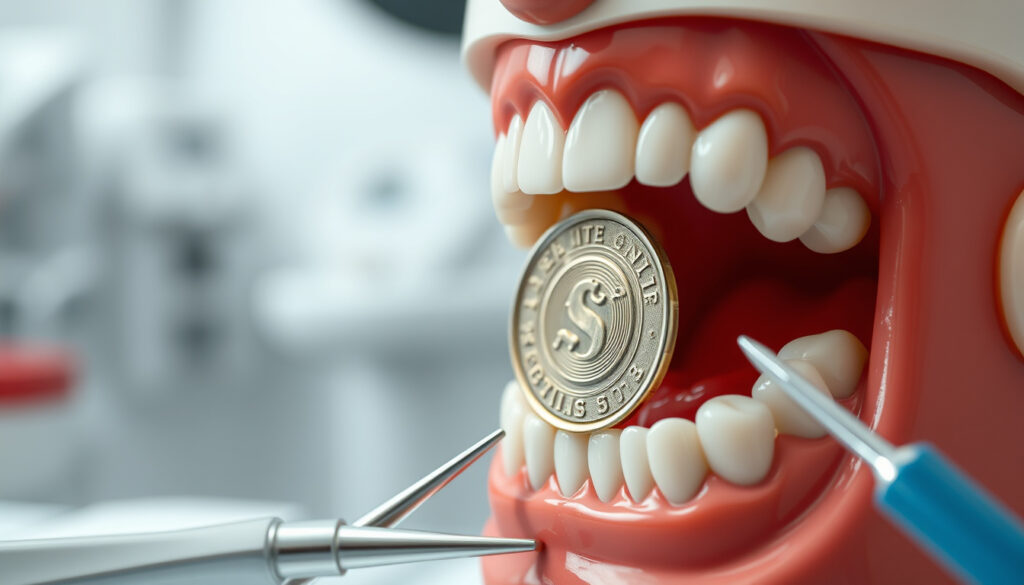
Metallic Taste in Mouth: Causes, When to Worry & How to Fix It
That metallic taste that lingers after your morning coffee or seems to appear out of nowhere can be more than a minor annoyance. It often points to something your body is trying to tell you — from a simple gum issue to a deeper health concern.
Pregnancy: Common cause, especially first trimester · Medications: Antibiotics, metformin, antidepressants · Oral health: Gum disease, bleeding gums · Systemic conditions: Kidney disease, liver disease, diabetes
Quick snapshot
- Pregnancy causes dysgeusia due to hormonal changes (Crest Oral Care)
- Poor oral hygiene (gum disease) releases iron from bleeding gums (Penn Dental Medicine)
- Many medications, including antibiotics and metformin, list metallic taste as a side effect (Cleveland Clinic)
- Exact mechanism linking fatigue to metallic taste in anemia is not fully understood (Harvard Health)
- Whether metallic taste alone can indicate cancer without other symptoms is uncertain (Harvard Health)
- Duration varies; taste typically resolves once underlying cause is removed (WebMD)
- Onset can be sudden (e.g., after starting a new medication) or gradual (e.g., with developing gum disease) (Cleveland Clinic)
- See a dentist or doctor if taste persists for more than two weeks (Aspen Dental)
- Seek urgent care if metallic taste is accompanied by swelling, pain, or signs of infection (Aspen Dental)
Eight key facts about metallic taste drawn from authoritative sources — one pattern: most causes fall into categories of oral health, medications, or systemic conditions.
| Fact | Detail |
|---|---|
| Medical term | Dysgeusia |
| Onset during pregnancy | First trimester (Crest Oral Care) |
| Common drug class | Metformin, calcium channel blockers (Cleveland Clinic) |
| Typical duration | Varies; resolves with cause removal (WebMD) |
| Vitamin deficiencies linked | B12, zinc, folic acid (Gilreath Dental) |
| Chemotherapy impact | Often causes fatigue and dysgeusia (Harvard Health) |
| Lead poisoning symptom | Metallic taste from heavy metal exposure (WebMD) |
| Acid reflux connection | Indigestion, heartburn cause metallic taste (WebMD) |
The takeaway: while many causes are benign, a persistent metallic taste combined with fatigue or other symptoms warrants a medical workup to rule out systemic issues.
What can cause metallic taste in the mouth?
Poor oral hygiene and gum disease
- Gum disease (Penn Dental Medicine) and periodontitis release iron from bleeding gums, creating the metallic sensation. Good oral hygiene — brushing, flossing, and tongue scraping — can resolve the taste.
- Oral thrush, a fungal infection, also alters taste (Aspen Dental).
Medication side effects
- Over 200 medications list metallic taste as a side effect. Common culprits include antibiotics (clarithromycin, metronidazole, tetracycline), metformin for diabetes, and certain antidepressants (Cleveland Clinic). Multivitamins containing zinc, copper, or iron can also cause temporary taste changes (Cleveland Clinic).
Infections (colds, sinus, respiratory)
- Sinus infections and colds can alter taste via nasal congestion. The metallic sensation often resolves once the infection clears (Aspen Dental).
Pregnancy
- Up to 90% of pregnant women experience some form of taste disturbance, often during the first trimester, due to hormonal shifts (Crest Oral Care). It usually fades after the first trimester.
Digestive issues (indigestion, acid reflux)
- Acid reflux and heartburn can cause a metallic taste along with bloating or chest burning (WebMD). Managing reflux through diet and medication often resolves the taste.
The pattern: metallic taste rarely comes from a single cause. Multiple factors often overlap, making a thorough history essential.
When to worry about metallic taste in mouth?
Sudden onset without apparent cause
- A sudden metallic taste can signal an infection, a medication change, or even heavy metal exposure (WebMD). If it appears abruptly without a clear trigger, note any other symptoms.
Accompanied by other symptoms (fatigue, weight loss, jaundice)
- Fatigue plus metallic taste may point to anemia, kidney disease, or diabetes (Harvard Health). Jaundice or unexplained weight loss accompanying the taste requires immediate medical evaluation.
Persistent taste lasting more than a few weeks
- If the taste persists beyond 2–3 weeks after addressing obvious causes, see a dentist or primary care doctor (Aspen Dental). Chronic dysgeusia can be a clue to underlying liver or kidney problems (Harvard Health).
Metallic taste alone rarely signals an emergency, but when combined with fatigue or jaundice, it becomes a red flag that merits bloodwork and a physical exam.
The trade-off: waiting to see if it passes is reasonable for isolated taste changes, but any accompanying systemic symptom moves the needle toward evaluation.
What does liver failure taste like in the mouth?
Sweet or musty smell (fetor hepaticus)
- Liver failure often produces a sweet, musty breath odor called fetor hepaticus, rather than a purely metallic taste. However, some patients report a bitter or metallic sensation (Harvard Health).
Association with bitter taste in some cases
- While not exclusively metallic, liver disease can alter taste perception. The mechanism involves accumulation of toxins that affect saliva composition (Harvard Health).
Other serious conditions: kidney disease, cancer
- Chronic kidney disease causes metallic taste due to urea buildup (Harvard Health). Certain cancers — lung, brain — may trigger taste changes through paraneoplastic syndromes (WebMD).
A persistent metallic taste accompanying fatigue, nausea, or swelling should prompt kidney and liver function tests — early detection can alter outcomes.
The implication: liver failure’s signature is a musty breath, not a strong metallic taste, but any persistent taste change in someone at risk for liver disease deserves attention.
How to remove metallic taste in mouth?
Improve oral hygiene
- Brush twice daily, floss, and scrape your tongue. If gum disease is the cause, these steps often eliminate the metallic taste within days (Crest Oral Care).
Rinse with baking soda or salt water
- A baking soda rinse neutralizes oral acids and can reduce metallic taste. Mix 1/2 teaspoon baking soda in 8 ounces of water, swish for 30 seconds, then spit (Cleveland Clinic). Salt water rinses also help.
Adjust diet
- Avoid smoking, which worsens taste disturbance. Eat citrus fruits (lemon, orange) to stimulate saliva production. Use plastic utensils if metal utensils trigger the sensation. Stay hydrated — dry mouth heightens metallic taste (Aspen Dental).
Manage underlying cause
- If a medication is responsible, talk to your doctor about switching to an alternative (Harvard Health). Treat infections (sinus, oral thrush) with appropriate therapy. For pregnancy-related taste, chewing sugar-free gum can help.
- Step 1: Try improved oral hygiene for 1 week.
- Step 2: Use baking soda or salt water rinses twice daily.
- Step 3: Add citrus fruits and increase water intake.
- Step 4: If taste persists, consult a dentist to check for gum disease or oral thrush.
- Step 5: If still unresolved, see a primary care doctor to evaluate medications and underlying conditions.
The trade-off: home remedies are cheap and low-risk, but delaying a workup for a serious cause could allow a condition to progress.
Why do I constantly feel tired and have a metallic taste in my mouth?
Anemia (iron or B12 deficiency)
- Iron deficiency anemia commonly presents with fatigue and a metallic taste. The exact mechanism linking the two is not fully understood, but treating the deficiency often resolves both (Harvard Health). B12 and zinc deficiencies are also linked (Gilreath Dental).
Kidney dysfunction
- Chronic kidney disease leads to accumulation of urea and other waste products in saliva, causing a metallic taste. Fatigue is a hallmark symptom of advanced kidney disease (Harvard Health).
Chronic infections or autoimmune conditions
- Persistent infections (e.g., sinusitis, HIV) or autoimmune disorders (e.g., Sjögren’s syndrome) can cause both fatigue and altered taste. The inflammation affects taste buds and energy levels (WebMD).
Medication side effects
- Chemotherapy and many antidepressants cause fatigue and metallic taste simultaneously. The taste often resolves after treatment ends, but fatigue may linger (Harvard Health).
Fatigue plus metallic taste is a duo that should not be ignored — it’s the combination that increases the likelihood of an underlying systemic condition like anemia or kidney disease.
The pattern: when two symptoms that don’t obviously connect (taste and energy) appear together, it often points to a metabolic or toxic process affecting multiple systems.
Clarity: confirmed vs. unclear
Confirmed facts
- Pregnancy causes dysgeusia due to hormonal changes (Crest Oral Care)
- Poor oral hygiene leads to metallic taste from gum bleeding (Penn Dental Medicine)
- Many medications list metallic taste as a side effect (Cleveland Clinic)
What’s unclear
- Exact mechanism linking fatigue to metallic taste in anemia is not fully understood (Harvard Health)
- Whether a metallic taste alone can indicate cancer without other symptoms is uncertain (Harvard Health)
What experts say
“The most common cause of metallic taste is poor oral hygiene — blood from gum disease releases iron that hits your taste buds.”
— Penn Dental Medicine (Oral Health Source)
“If you have a persistent metallic taste along with fatigue, weight loss, or jaundice, it’s important to get checked for liver or kidney problems.”
— Harvard Health Publishing (Medical Advisory)
“Pregnancy hormones can alter your sense of taste, often causing a metallic flavor that usually fades after the first trimester.”
— Cleveland Clinic (Clinical Overview)
For the average person, the odds are in your favor: oral hygiene changes or a short-lived medication reaction are the usual suspects. But when the metallic taste persists or arrives with fatigue, the implication becomes serious. For anyone experiencing that duo, the choice is clear: see a doctor for a simple blood test, or risk overlooking a treatable condition like anemia or kidney disease.
Frequently asked questions
Can anxiety cause a metallic taste in the mouth?
Anxiety itself does not directly cause a metallic taste, but stress can lead to dry mouth (xerostomia), which may alter taste. Some anxiety medications also list taste changes as a side effect (Harvard Health).
Is metallic taste a sign of COVID-19?
Yes, COVID-19 can cause dysgeusia, including metallic taste, especially in early infection. It often accompanies loss of smell or taste (Cleveland Clinic).
Does dehydration cause metallic taste?
Dehydration reduces saliva production, which can concentrate minerals and lead to a metallic sensation. Staying hydrated helps maintain normal taste (Aspen Dental).
How long does metallic taste last after chemotherapy?
The duration varies; some patients experience it during and for weeks after treatment. It usually resolves once chemotherapy ends, but may linger for some (Harvard Health).
Can allergies lead to a metallic taste?
Allergic reactions, especially those causing nasal congestion or postnasal drip, can alter taste. Antihistamines used for allergies may also cause dry mouth (WebMD).
What does a metallic taste indicate after eating?
If it occurs after eating, it could be related to acid reflux, food allergies, or a reaction to certain foods. It may also indicate dental issues (WebMD).
Does sinus infection cause metallic taste?
Yes, sinus infections can cause metallic taste due to inflammation and drainage affecting taste buds. The taste usually resolves with infection treatment (Aspen Dental).
Related reading
More related posts
 Nicki Minaj: Citizenship, Feuds & Net Worth Explained
 Why Are Golden Goose Sneakers So Expensive? [2026 Guide]
 Judy Davis: Career, Reputation, and Personal Life
 Dine Cat Food Review: Healthy Wet Food Analysis
 Bronagh Gallagher: Biography, Movies, and Music Career
 Swann Security Camera Review: Is It Worth It? Problems & Lifespan
 Code of Conduct: Examples, Rules, and Violation Outcomes
 Dolce and Gabbana The One – Scent Notes Longevity Reviews
