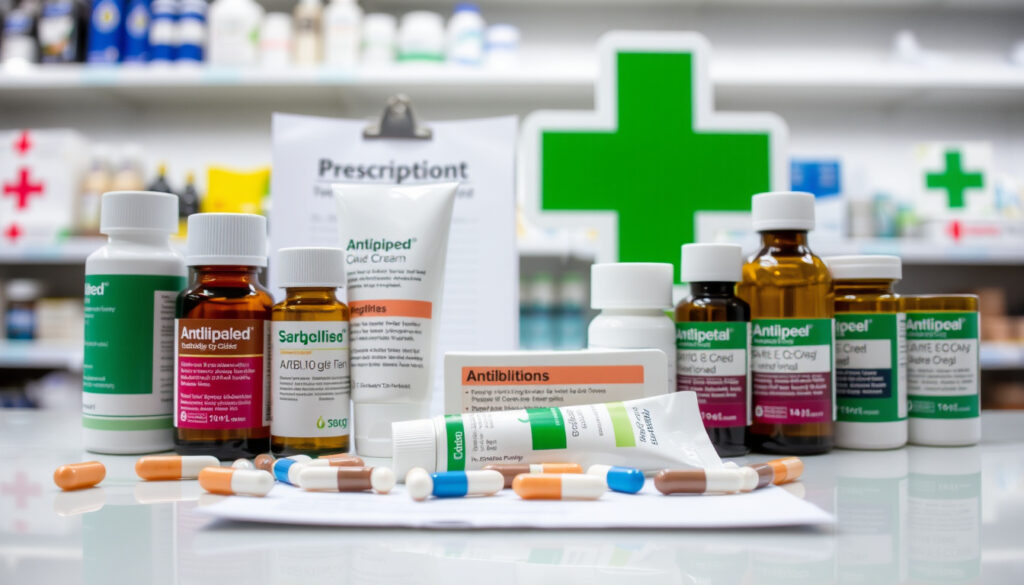
BV Treatment: Fast Antibiotics, Creams & Gels in Ireland
If you’ve ever noticed an unusual discharge or a fishy smell that seems worse after sex, you’re not alone. Bacterial vaginosis (BV) is the most common vaginal infection in women aged 15 to 44, affecting an estimated 21 million women annually in the US alone. This guide breaks down the evidence behind BV treatments available in Ireland, from HSE-recommended antibiotics to over-the-counter creams, and helps you navigate the differences between BV and similar infections.
Women affected annually in the US: 21 million · BV cases with no symptoms: 50% · Recurrence within 6 months: up to 50% · Most common vaginal infection in women 15–44: yes
Quick snapshot
- Thin white/gray discharge (HSE Bacterial vaginosis table)
- Fishy odor especially after sex (HSE Bacterial vaginosis table)
- Vaginal itching and burning during urination (HSE Bacterial vaginosis table)
- Up to 50% have no symptoms (CDC BV fact sheet)
- Exact role of probiotics in prevention remains unproven (Cochrane review)
- Why some women develop recurrent BV is not fully understood (Mayo Clinic)
- Effectiveness of boric acid for BV lacks robust clinical trials (NHS BV treatment)
- Prescription antibiotics are the fastest and most effective treatment (HSE Bacterial vaginosis table)
- Options: metronidazole tablets, clindamycin cream, or clindamycin gel (HSE Bacterial vaginosis table)
- Oral and topical treatments have similar cure rates (>80%) (NHS BV treatment)
- Home remedies like yogurt or garlic lack strong clinical evidence (HSE Bacterial vaginosis table)
- First-time symptoms require a proper diagnosis (HSE BV overview)
- Pregnant women should consult a GP or obstetrician promptly (HSE BV and pregnancy)
- Recurrent BV (more than 3 times a year) needs medical evaluation (Mayo Clinic)
- Suspected STI or mixed symptoms need urgent care (HSE Vaginal Discharge Quick Reference Guide)
Five key facts, one pattern: BV is driven by an imbalance in vaginal bacteria, and antibiotics reliably restore balance — but recurrence remains stubbornly common.
| Fact | Detail | Source |
|---|---|---|
| Prevalence (US) | 21 million women affected annually | CDC BV fact sheet |
| Asymptomatic | 50% of cases | CDC BV fact sheet |
| Primary treatment | Metronidazole or clindamycin (antibiotics) | HSE Bacterial vaginosis table |
| Recurrence rate | Up to 50% within 6 months | Mayo Clinic |
| BV in pregnancy | Associated with preterm birth and low birth weight | HSE BV and pregnancy |
| Most common age group | Women aged 15–44 | CDC BV fact sheet |
| Diagnosis method | Microscopic exam of vaginal discharge (wet mount) | NHS BV diagnosis |
| Role of sexual activity | Not a sexually transmitted infection, but sex can disrupt vaginal flora | CDC BV fact sheet |
| BV vs yeast infection (key difference) | BV has fishy odor; yeast infection has thick, white discharge and intense itching | HSE Vaginal Discharge Quick Reference Guide |
| Self-care advice | Avoid douching, use plain water for washing, no scented products | HSE BV and pregnancy |
The implication: BV is treatable but not curable for everyone — understanding recurrence and triggers is as important as choosing the right medication.
For someone with new BV symptoms, the fastest path is a GP visit for a prescription. For those with recurrent BV, the priority shifts to identifying triggers and considering longer or suppressive antibiotic courses.
What are 5 symptoms of BV?
What are the common symptoms of bacterial vaginosis?
- Thin, white or gray discharge — the most characteristic sign, often noticed on underwear or toilet paper (HSE Bacterial vaginosis table)
- Strong fishy odor — often described as “fishy” and typically worse after sexual intercourse because semen raises vaginal pH, allowing odor-producing bacteria to multiply (CDC BV fact sheet)
- Vaginal itching — mild to moderate irritation around the vulva and vaginal opening (Mayo Clinic)
- Burning during urination — a stinging sensation when passing urine, caused by inflammation of the urethra (NHS BV symptoms)
- No symptoms at all — roughly half of all women with BV report no symptoms, which is why routine screening is not recommended unless pregnant or undergoing certain procedures (CDC BV fact sheet)
What can be mistaken with BV?
BV shares symptoms with several other conditions, making self-diagnosis unreliable. The HSE Vaginal Discharge Quick Reference Guide emphasizes that a proper evaluation is essential to distinguish between BV, yeast infection (candidiasis), and trichomoniasis (HSE Vaginal Discharge Quick Reference Guide).
- Yeast infection (candidiasis) — produces thick, white, cottage-cheese-like discharge; severe itching; redness and swelling; but no odor. BV causes a fishy smell with thinner discharge (NHS vaginal thrush).
- Trichomoniasis — a sexually transmitted infection (STI) that causes frothy, greenish-yellow discharge, a strong odor, painful urination, and spotting. Unlike BV, Trich requires specific antiparasitic medication (CDC Trichomoniasis fact sheet).
- Chlamydia and gonorrhea — STIs that can cause abnormal discharge and pelvic pain, but often produce no symptoms. They require different antibiotics (HSE Chlamydia symptoms).
- Cervicitis or pelvic inflammatory disease — infection of the cervix or upper reproductive tract, causing discharge and pain, but not the characteristic fishy odor of BV.
Misdiagnosing BV as a yeast infection is common because people self-treat with over-the-counter antifungal creams, which do not work for BV and can delay effective treatment.
What triggers BV in females?
What is the most common reason a woman gets BV?
BV is a polymicrobial condition — meaning multiple bacterial species are involved. The primary driver is an overgrowth of Gardnerella vaginalis and other anaerobic bacteria, which outcompete the normally dominant Lactobacillus species that keep the vaginal environment acidic and healthy (CDC BV fact sheet).
Key risk factors that disrupt this balance include:
- Douching — directly flushes out protective Lactobacillus and alters pH, strongly linked to BV development (HSE Vaginal Discharge Quick Reference Guide)
- New or multiple sexual partners — introduction of new bacteria disrupts the existing microbial community (Mayo Clinic)
- Smoking — nicotine metabolites in cervical mucus reduce Lactobacillus colonization (NHS BV causes)
- Intrauterine device (IUD) use — may alter the vaginal microbiome in some women (CDC BV fact sheet)
- Hormonal changes — pregnancy, menopause, and hormonal contraception can shift pH and bacterial balance (HSE BV and pregnancy)
Is BV the woman’s fault?
No. BV is not caused by poor hygiene, and it is not a sexually transmitted infection. Women who get BV are not “dirty” or promiscuous. The condition results from a complex interplay of bacterial ecology, genetics, and environmental factors — many of which are beyond individual control (CDC BV fact sheet).
What this means: blaming yourself for BV is unhelpful and inaccurate. The medical consensus is clear that BV is a microbial imbalance, not a moral or hygiene failing.
How long will BV last if untreated?
Can BV go away on its own?
Yes, some cases of BV resolve spontaneously within a few days without treatment. However, this is not predictable, and many women experience persistent symptoms that can last for weeks or months (Mayo Clinic).
What are the risks of leaving BV untreated?
Untreated BV carries real health consequences:
- Increased risk of STIs — BV makes the vaginal lining more susceptible to HIV, herpes, chlamydia, and gonorrhea (CDC BV fact sheet)
- Preterm birth in pregnancy — BV is associated with premature delivery and low birth weight, which is why pregnant women should be treated promptly (HSE BV and pregnancy)
- Post-surgical complications — after procedures like hysterectomy or abortion, untreated BV increases infection risk (NHS BV complications)
- Pelvic inflammatory disease (PID) — ascending infection can affect the uterus, fallopian tubes, and ovaries, causing chronic pain and infertility (Mayo Clinic)
Waiting for BV to clear on its own is a gamble. Even if symptoms fade, the bacterial imbalance may persist, raising the risk of complications later.
What is the quickest way to get rid of BV?
Can I treat myself for BV at home?
Home remedies like applying yogurt, using garlic, or taking probiotic supplements are widely discussed online, but clinical evidence for their effectiveness is weak. The HSE and NHS do not recommend self-treatment with unproven methods — the fastest and most reliable way to cure BV is with prescription antibiotics (HSE Bacterial vaginosis table).
Can I treat BV without seeing a doctor?
In Ireland, antibiotics for BV require a prescription from a GP or a sexual health clinic. Over-the-counter (OTC) products like Canesten BV Treatment Cream or gel are available in pharmacies (Boots, Lloyds, etc.) and can be used for mild, recurrent BV in women who have been previously diagnosed. However, the HSE advises that first-time symptoms should always be evaluated by a doctor to rule out other causes (HSE BV overview).
Three facts, one pattern: prescription antibiotics work faster and with better evidence than any home remedy — but OTC options exist for those with a known history.
| Treatment option | Form | Dosage (HSE) | Prescription needed? | Typical cure rate |
|---|---|---|---|---|
| Metronidazole | Oral tablets | 400 mg twice daily for 5–7 days | Yes | 80–90% |
| Clindamycin | Oral tablets | 300 mg twice daily for 7 days | Yes | 85–95% |
| Clindamycin 2% cream | Vaginal cream | 5 g intravaginally at night for 7 nights | Yes | 80–90% |
| Metronidazole 0.75% gel | Vaginal gel | 5 g intravaginally twice daily for 5 days | Yes | 80–90% |
| Canesten BV Treatment | Vaginal cream/gel | Follow pack instructions | No (OTC) | Variable, lower than antibiotics |
Why this matters: oral and topical antibiotics have similar success rates, so the choice often depends on side effects, convenience, and cost.
What antibiotics are used for BV treatment?
According to HSE guidance (HSE Bacterial vaginosis table), the first-line antibiotics are:
- Metronidazole — 400 mg tablets taken orally every 12 hours for 5 to 7 days. Avoid alcohol during treatment and for 48 hours after finishing.
- Clindamycin 2% cream — 5 g inserted vaginally once nightly for 7 nights. Important: this cream can weaken latex condoms and diaphragms, so avoid using them during treatment and for 72 hours after.
- Oral clindamycin — 300 mg tablets every 12 hours for 7 days, used when metronidazole is not tolerated or has failed.
Metronidazole interacts with alcohol causing severe nausea, vomiting, and flushing — even small amounts of mouthwash or cooking wine can trigger a reaction.
What can be mistaken with BV?
How to tell BV from a yeast infection?
The table below captures the key differences, based on HSE guidance (HSE Vaginal Discharge Quick Reference Guide):
Four key differences, one pattern: BV is about odor and thin discharge; yeast infections are about itchiness and thick discharge.
| Feature | BV | Yeast infection |
|---|---|---|
| Discharge color | Thin, white or gray | Thick, white, cottage-cheese-like |
| Odor | Strong fishy odor, worse after sex | None or mild yeasty smell |
| Itching | Mild to moderate | Intense, often burning |
| Pain on urination | Sometimes | Common, especially with severe inflammation |
| Vaginal pH | Greater than 4.5 | Less than 4.5 |
| Test | Wet mount: clue cells | Wet mount: yeast buds/pseudohyphae |
Is BV the same as trichomoniasis?
No. Trichomoniasis is a parasitic STI caused by Trichomonas vaginalis. While it can produce similar symptoms (frothy green discharge, strong odor, painful urination), it requires specific treatment with metronidazole or tinidazole at higher doses than BV. A microscopic examination can distinguish the mobile parasite from BV’s clue cells (CDC Trichomoniasis fact sheet).
The trade-off: treating BV with a yeast infection cream is ineffective; treating trichomoniasis with BV-level metronidazole is insufficient. Accurate diagnosis saves time and prevents antibiotic resistance.
Confirmed facts
- BV is caused by bacterial imbalance, not poor hygiene (CDC BV fact sheet)
- Antibiotics are effective with cure rates >80% (HSE Bacterial vaginosis table)
- Recurrence is common — up to 50% within 6 months (Mayo Clinic)
- Avoid douching, scented products, and vaginal washes (HSE BV and pregnancy)
- Pregnant women should be treated to reduce preterm birth risk (HSE BV and pregnancy)
- Clindamycin cream weakens latex condoms (avoid for 72 hours) (HSE Bacterial vaginosis table)
What’s unclear
- Exact role of probiotics in preventing recurrence (Cochrane review)
- Why some women experience frequent recurrences while others do not (Mayo Clinic)
- Optimal duration of suppressive therapy for recurrent BV remains debated in medical literature
- Whether boric acid or other alternative treatments offer real benefit beyond placebo effect
Summary
The evidence is clear: BV is a treatable bacterial imbalance, and prescription antibiotics — either oral metronidazole or topical clindamycin — remain the gold standard with cure rates above 80%. For women in Ireland, the first step is a GP visit for an accurate diagnosis, especially if symptoms are new, you’re pregnant, or you suspect an STI. Home remedies and OTC options may provide relief but lack the evidence base of antibiotics. For those with recurrent BV, the focus should shift to identifying personal triggers and discussing longer-term management with a doctor. For women in Ireland dealing with recurrent BV, the choice is clear: work with your GP to identify triggers and consider suppressive therapy, or risk the cycle of recurrence and its complications.
Related reading: Emily Willis Update: Accident, Vegetative State, and Recovery · Anthony Kiedis: Health, Relationships, Heritage, and More
hse.ie, nottsapc.nhs.uk, rightdecisions.scot.nhs.uk, rightdecisions.scot.nhs.uk, sexualhealthwestsussex.nhs.uk, best.barnsleyccg.nhs.uk, wossexualhealthmcn.scot.nhs.uk, hse.ie, onlinedoctor.superdrug.com, medicalindependent.ie
For those seeking fast relief, exploring various BV treatment options can help you find the most effective solution for bacterial vaginosis.
Frequently asked questions
Is BV contagious?
BV is not a sexually transmitted infection and cannot be passed to male partners. However, sex can trigger BV symptoms in some women by disrupting the vaginal flora. Female partners may have a slightly increased risk of developing BV themselves (CDC BV fact sheet).
Can BV cause infertility?
BV itself does not directly cause infertility, but untreated BV can lead to pelvic inflammatory disease (PID), which can scar the fallopian tubes and contribute to infertility. Treating BV promptly reduces this risk (Mayo Clinic).
Can I drink alcohol while taking metronidazole?
No. The HSE warns that drinking alcohol while taking metronidazole, and for at least 48 hours after finishing the course, can cause severe nausea, vomiting, headache, and flushing. This includes mouthwash, cooking wine, and other alcohol-containing products (HSE Bacterial vaginosis table).
What if BV returns after treatment?
Recurrence is common — up to 50% of women get BV again within 6 months. Options include a repeat course of the same antibiotic, switching to a different antibiotic, or using a longer course (7–14 days). Some doctors recommend suppressive therapy with metronidazole gel twice weekly for several months (NHS BV treatment).
Can BV go away on its own?
Yes, some mild cases resolve spontaneously within a few days. However, in many women BV persists for weeks or months, and leaving it untreated increases the risk of complications like STI acquisition and preterm birth in pregnancy (Mayo Clinic).
Can I use boric acid for BV?
Boric acid vaginal suppositories are sometimes used for recurrent BV, but strong clinical evidence is limited. The NHS notes that boric acid can be toxic if swallowed and should only be used under medical supervision. It is not a first-line treatment and is not recommended for pregnant women (NHS BV treatment).
Does BV affect pregnancy?
Yes. BV in pregnancy is associated with preterm birth, low birth weight, and postpartum endometritis. The HSE advises that pregnant women with BV symptoms should see a GP or obstetrician promptly for treatment, which may come as tablets, cream, or gel. Pregnant women should also avoid douching and use only plain water for washing (HSE BV and pregnancy).
More related posts
 Man Utd News: Latest Transfer Rumours & Match Updates
 Ashley Graham: Net Worth, Husband, Children, and RE4 Connection
 Greek Gods: Olympians, Primordials, and Dark Powers
 Kerry O’Keeffe: Why He’s Called ‘Skull’, Age, Stats & Career
 Employment Assistance Program: What It Is & How to Use
 Billie Piper: Net Worth, Relationships & Career 2025
 Bay of I land Travel Guide: Worth Vi iting? Be t Town
 Jared Fogle Case: Verified Facts, Charges & Prison Timeline
