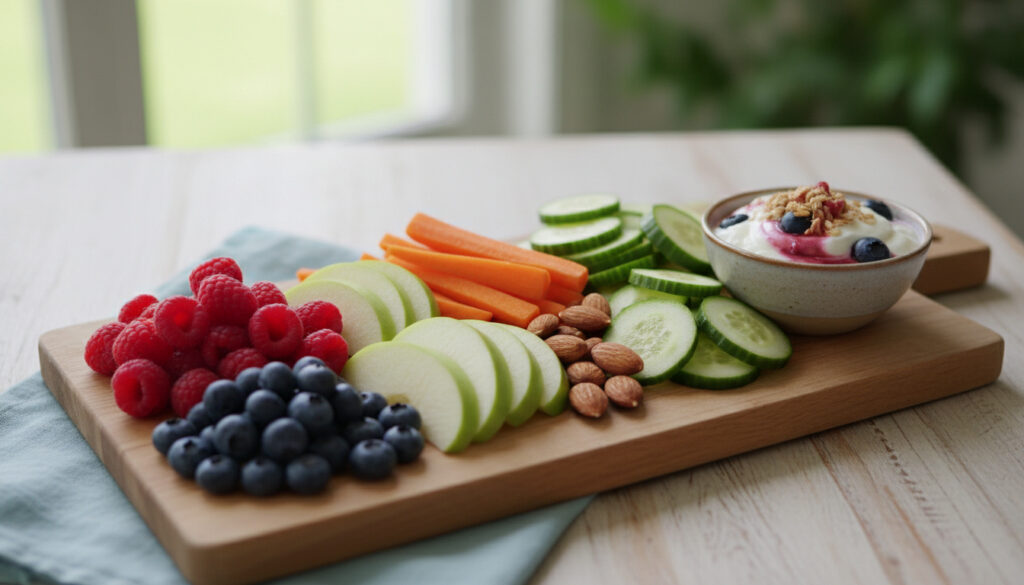
Low Calorie Snacks – Healthy Picks That Satisfy
Strategic Snacking for Sustained Energy
Snacking persists as one of the most misunderstood aspects of nutritional science. While conventional wisdom often associates between-meal eating with weight gain, current research indicates that strategic snacking supports metabolic health and prevents energy crashes. The critical factor involves selecting foods that deliver satiety through protein and fiber rather than empty carbohydrates. Understanding how specific macronutrients influence hunger hormones and blood glucose stability transforms snacking from a dietary liability into a tool for weight management.
Nutrient-Dense Categories
Protein-Forward Options
Greek yogurt, cottage cheese, and hard-boiled eggs provide complete amino acid profiles that suppress ghrelin secretion and extend feelings of fullness between meals.
Fiber-Rich Whole Foods
Raw vegetables paired with hummus, apple slices with skin intact, and air-popped popcorn supply bulk that slows gastric emptying and supports digestive microbiome diversity.
Portable Combinations
Almond butter on celery sticks or turkey roll-ups with cucumber combine macronutrients for sustained energy without requiring refrigeration for short periods.
Metabolic Considerations
Recent investigations reveal that snack composition significantly influences postprandial glucose responses. Research published in nutrition journals demonstrates that combining 10-15 grams of protein with 3-5 grams of fiber reduces subsequent caloric intake at main meals by approximately 15%. This synergistic effect occurs because protein stimulates peptide YY release while fiber adds physical volume, creating a dual mechanism for appetite regulation. Harvard’s nutritional guidelines emphasize that whole food sources outperform processed alternatives in maintaining stable insulin levels.
Comparative Nutritional Analysis
| Snack Option | Caloric Load | Protein | Dietary Fiber | Glycemic Impact |
|---|---|---|---|---|
| Plain Greek Yogurt (150g) | 90 | 15g | 0g | Low |
| Apple with Almond Butter | 155 | 4g | 5g | Moderate |
| Air-Popped Popcorn (3 cups) | 93 | 3g | 3.5g | Low |
| Hard-Boiled Egg | 70 | 6g | 0g | Negligible |
| Vegetable Sticks with Hummus | 120 | 4g | 6g | Low |
Macronutrient Breakdown
Understanding the thermic effect of food explains why certain snacks support weight management despite containing calories. Protein demands 20-30% of its energy content for digestion and metabolism, compared to 5-10% for carbohydrates and 0-3% for fats. Mayo Clinic research on energy expenditure confirms that high-protein snacks increase resting metabolic rate temporarily. Additionally, the fiber content in plant-based options feeds beneficial gut bacteria, producing short-chain fatty acids that regulate appetite signaling through the gut-brain axis.
Strategic Timing Protocols
Chrononutrition research suggests that nutrient timing influences metabolic outcomes beyond total caloric intake.
- : Morning snacks should emphasize protein to amplify the thermic effect from breakfast and sustain cognitive function through mid-morning.
- : Pre-lunch consumption of high-fiber vegetables reduces the glycemic response of the subsequent meal.
- : Afternoon options combining complex carbohydrates with protein counteract circadian energy dips without disrupting evening appetite.
- : Evening snacks should focus on casein protein or tryptophan-containing foods to support overnight muscle repair and sleep quality.
Addressing Persistent Myths
The misconception that all snacking inherently promotes weight gain stems from observational studies conflating snack quality with frequency. CDC nutritional surveillance data distinguishes that nutrient-dense snacks improve overall diet quality scores, while processed options contribute to energy surplus. The temporal distribution of calories matters less than the compositional quality and individual insulin sensitivity. Strategic snackers often demonstrate improved micronutrient intake compared to those consuming only three large daily meals.
Clinical Perspective
Endocrinologists now recognize that extended fasting periods exceeding four hours can trigger cortisol release and subsequent muscle catabolism in certain populations. American Heart Association recommendations suggest that incorporating colorful plant foods between meals improves cardiovascular risk markers. However, individual metabolic flexibility varies; those with insulin resistance may benefit from fewer eating occasions, while highly active individuals require frequent fueling to maintain nitrogen balance and glycogen stores.
Expert Perspectives
The most successful dietary patterns involve intentional snack architecture rather than impulsive convenience eating. Patients who plan their between-meal nutrition with the same attention as main meals demonstrate superior adherence to caloric goals and report higher satiety ratings throughout the day.
— Registered Dietitian Nutritionist, Clinical Practice
Additional commentary from metabolic researchers emphasizes that carbohydrate awareness remains essential even when selecting low-calorie options, as rapid glucose fluctuations can trigger subsequent cravings regardless of caloric content.
Strategic Implementation
Effective low-calorie snacking requires intentionality rather than restriction. Prioritizing protein and fiber combinations, respecting circadian rhythms, and selecting whole foods over processed alternatives creates a sustainable approach to energy management. balanced dietary patterns incorporate these principles without rigidity, allowing for flexibility while maintaining metabolic health. Individual variation demands personal experimentation to identify optimal timing and portion sizes that support specific activity levels and health objectives.
Frequently Asked Questions
How many snacks should I eat daily while maintaining a caloric deficit?
Most adults benefit from one to two structured snacks daily when operating within a caloric deficit. The specific number depends on individual basal metabolic rates, activity levels, and meal timing. Spacing snacks 2.5 to 3.5 hours after main meals prevents blood glucose crashes without creating excessive eating frequency that might dysregulate hunger hormones.
Can low-calorie snacks replace meals for weight loss?
Substituting meals with snacks typically compromises protein intake and nutritional adequacy. While occasional meal replacement with nutrient-dense, higher-calorie snack combinations might occur, sustained meal skipping often reduces diet quality and triggers compensatory overeating later. Snacks should complement, not substitute, well-structured meals containing 25-30 grams of protein.
Are “zero-calorie” snacks metabolically neutral?
Truly zero-calorie items like plain water or black coffee have minimal metabolic impact, but marketed “zero-calorie” snacks often contain sugar alcohols or artificial sweeteners that may influence gut microbiota and insulin response in some individuals. Whole food options containing 50-100 calories generally provide superior satiety signals compared to engineered zero-calorie alternatives.
More related posts
 Bron Lewis: From Teacher to National Raw Comedy Winner
 Outlander Season 7: Where to Watch, Episode Count & Season 8
 Angela Bishop: Husband, Weight Loss & Career Updates
 Charlie Munger: Life, Legacy, and Investment Wisdom
 Type A Personality – Traits, Origins and Comparisons
 Lina Medina: The Youngest Mother in History & Extreme Pregnancies
 Luke Kidgell: Australian Comedian Biography and Tour 2026
 Scott Adkins: Biography, Martial Arts & John Wick 4
