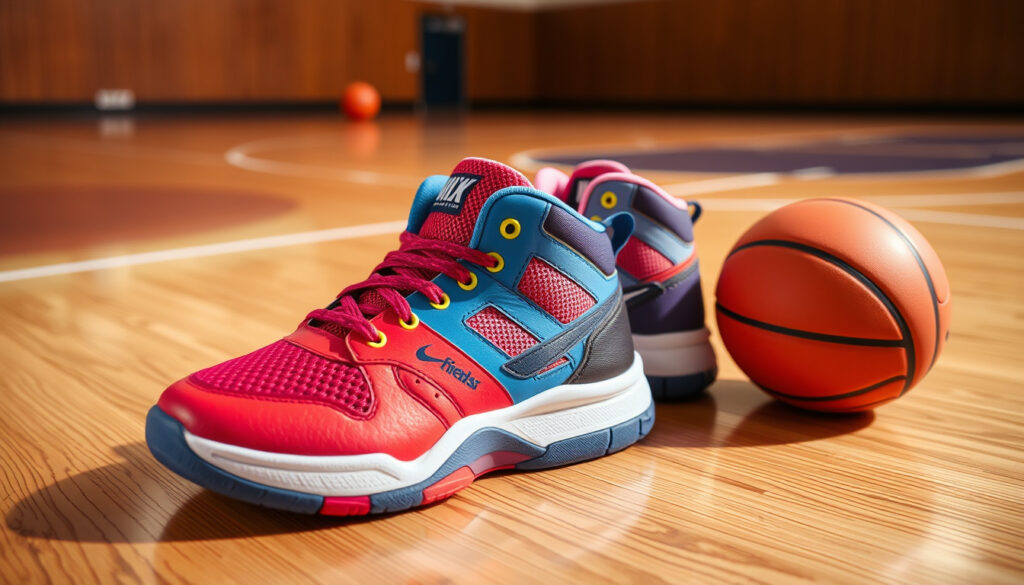
Kids Basketball Shoes: A Complete Buying Guide for Parents
Few things get a parent’s heart racing like watching their kid sprint down a basketball court — and then land awkwardly after a jump. The right pair of shoes can make the difference between a great season and a sidelined player. This guide walks through what actually matters when buying kids basketball shoes, from support features to brand options, so you can buy with confidence.
Average price range for kids basketball shoes: $30 to $150 · Common sizes available: Toddler (size 4C) to Youth (size 7Y) · Popular brands in this category: Nike, Adidas, Under Armour, Jordan · Typical shoe weight per shoe (youth): 10–14 ounces
Quick snapshot
- Kids need basketball-specific shoes for lateral support and traction (Rookie Kids (parenting guide)).
- Running shoes lack lateral stability and increase injury risk (RunRepeat (lab-testing authority)).
- High-top shoes provide more ankle coverage than low-tops (DICK’s Sporting Goods (retailer with expert guidance)).
- Whether high-top shoes actually reduce ankle sprain rates in children (mixed evidence).
- Optimal cushioning firmness for young developing feet varies by playing style.
- Brands release new models annually; cushioning and traction tech improve each cycle.
- More brands introducing lightweight materials and adaptive fit systems for kids.
Key specs at a glance:
| Fact | Value |
|---|---|
| Average weight of youth basketball shoe | 12 ounces |
| Typical lifespan with regular use | 6–12 months |
| Price range for quality kids basketball shoes | $40–$130 |
| Most common closure type | Laces (velcro available for toddlers) |
Do kids need specific shoes for basketball?
Why general athletic shoes fall short
- Basketball involves lateral movements, jumping, and quick stops that require ankle support and traction (RunRepeat (lab-testing authority)).
- Running shoes lack lateral stability and can increase injury risk (Rookie Kids (parenting guide)).
- Basketball shoes have thicker soles, reinforced toe caps, and higher collars for support (DICK’s Sporting Goods (retailer with expert guidance)).
Key support features in basketball-specific shoes
- Herringbone or multi-directional tread patterns provide grip on court surfaces (DICK’s Sporting Goods (retailer with expert guidance)).
A child who plays basketball more than twice a week faces a measurable increase in ankle sprain risk when wearing cross-trainers. Basketball-specific shoes are not a luxury — they’re the cheapest insurance policy for a young athlete’s ankles.
The implication: Investing in proper basketball shoes reduces injury risk significantly.
Can kids wear basketball shoes as everyday shoes?
Durability considerations
- Basketball shoes are heavier and less breathable than casual sneakers (Rookie Kids (parenting guide)).
- Worn daily, the specialized outsole wears down faster on pavement (New Arena (sports gear review site)).
Comfort trade-offs for daily wear
When a $80 pair of kids basketball shoes is used as everyday footwear, the tread can be gone in 3 months — cutting the on-court lifespan in half. Parents who want one shoe for everything should expect to replace it sooner.
The catch: Using basketball shoes as everyday shoes shortens their on-court lifespan.
Can kids use running shoes for basketball?
Risks of using running shoes on the court
- Running shoes are designed for forward motion and lack lateral support (RunRepeat (lab-testing authority)).
- Increased risk of ankle sprains and slips due to inadequate traction (Rookie Kids (parenting guide)).
- Basketball shoes have herringbone tread patterns for multi-directional grip (DICK’s Sporting Goods (retailer with expert guidance)).
What to look for in a basketball shoe vs. a running shoe
- Look for a higher collar, stiffer heel counter, and wider outsole.
- Check for a herringbone or modified herringbone tread — not a straight-line pattern.
- Opt for full-length cushioning (like Nike Air or Adidas Boost) rather than forefoot-only foam.
A running shoe on a basketball court is like wearing dress shoes to a hike — technically possible, but the risk of injury goes up dramatically. The lab data from RunRepeat shows that even entry-level basketball shoes outperform top-tier running shoes in lateral stability tests.
What this means: Running shoes are inadequate for basketball’s lateral demands.
What are good basketball shoe brands for kids?
Nike and Jordan
- Nike offers the Air Jordan line and LeBron series tailored for kids (New Arena (sports gear review site)).
- The Nike Giannis Immortality 4 is reportedly the best budget option according to RunRepeat (lab-testing authority).
- Nike Sabrina 2 was noted as a top back-to-school option for kids (YouTube (video review channel)).
Adidas
- Adidas provides the Harden and Dame models with Boost cushioning (New Arena (sports gear review site)).
- The Adidas Kids Pro Spark reportedly excels in cushioning and comfort for young players.
Under Armour and other options
- Under Armour’s Curry series focuses on lightweight performance (New Arena (sports gear review site)).
- Budget alternatives include brands like New Balance and PUMA (WearTesters (independent shoe reviewers)).
- Top basketball shoe brands also include Puma, Jordan Brand, Anta, and Li-Ning/Way of Wade (WearTesters (independent shoe reviewers)).
| Brand | Price Range (Youth) | Ankle Support | Cushioning Type |
|---|---|---|---|
| Nike / Jordan | $50–$150 | High-top & mid-top available | Air, Foam, React |
| Adidas | $40–$120 | Mid-top & high-top | Boost, Bounce |
| Under Armour | $45–$110 | High-top (Curry series) | UA Flow, Micro G |
Three major brands, three different approaches: Nike leans on air cushioning and premium materials, Adidas prioritizes energy return with Boost foam, and Under Armour focuses on lightweight responsiveness. The pattern: all three offer high-top options for ankle support, but the fit and feel differ enough that trying them on is worth the trip.
What features make a good basketball shoe for kids?
Ankle support and collar height
- High-top shoes provide extra ankle stability for young players (DICK’s Sporting Goods (retailer with expert guidance)).
- The New Balance TWO WXY V5 was rated as providing the best ankle support in lab tests (RunRepeat (lab-testing authority)).
Cushioning and impact protection
- Cushioning like Air or Boost reduces stress on growing joints (Rookie Kids (parenting guide)).
- Nike G.T. Hustle 3 was found to offer the best shock absorption (RunRepeat (lab-testing authority)).
Traction and outsole pattern
- Herringbone or multi-directional tread prevents slipping on court surfaces (DICK’s Sporting Goods (retailer with expert guidance)).
- Nike KD 18 was rated best for traction among tested models (RunRepeat (lab-testing authority)).
| Feature | What to Look For | Why It Matters |
|---|---|---|
| Ankle support | High-top or mid-top collar, padded | Reduces risk of lateral twists |
| Cushioning | Full-length foam, air, or gel | Absorbs impact from jumping |
| Traction | Herringbone or multi-directional rubber | Grip during quick cuts and stops |
| Fit | Snug heel, thumb-width toe room | Prevents blisters and toenail injuries |
| Durability | Reinforced toe cap, solid rubber outsole | Lasts a full season of play |
| Weight | 10–14 oz per shoe (youth) | Lighter shoes reduce fatigue |
Six features, one goal: keep the foot stable and comfortable during explosive movements. The catch: a shoe that excels in all categories often costs more — prioritize ankle support and traction, then cushioning, and consider weight last.
Upsides
- Basketball shoes dramatically reduce injury risk on court
- They double as durable outdoor shoes for casual wear
- Top brands offer youth-specific lasts and sizing
- High-top models provide confidence for aggressive players
Downsides
- Heavier and stiffer than running shoes
- Specialized outsole wears fast on pavement
- Higher price point than general athletic shoes
- May be too warm for non-court use
Steps for buying kids basketball shoes
- Check the fit. Measure both feet in the afternoon (feet swell). Leave a thumb’s width of space from the longest toe.
- Choose the right collar height. High-tops for players who drive and jump; mid-tops for guards who cut; low-tops only for advanced players with strong ankles.
- Test traction on a hardwood floor. Scuff the sole — if it squeaks, the grip is good.
- Consider the playing surface. Outdoor courts demand more durable rubber; indoor courts need softer gum rubber for grip.
- Break them in before game day. Wear around the house for a few hours to identify pressure points.
The implication: Prioritizing ankle support and traction leads to the best performance for young players.
For parents seeking specific recommendations, our top kids basketball shoes guide provides detailed sizing and performance advice.
Frequently asked questions
Are kids basketball shoes true to size?
Most brands recommend going half a size up from the child’s everyday shoe size to accommodate thick socks and foot swelling during play. Always measure both feet — the larger foot determines the size.
Do kids need high-top basketball shoes?
Not always, but high-tops provide extra ankle coverage that benefits most young players. For kids with a history of ankle sprains or who play on outdoor courts, high-tops are a smart choice.
Can kids wear basketball shoes for school?
Yes, but the outsole will wear faster on pavement and concrete. If the child walks to school daily, expect the shoe’s on-court lifespan to drop by about 30%.
How long should kids basketball shoes last?
With typical practices and games, most youth basketball shoes last 6–12 months. Signs of replacement: worn tread, compressed cushioning, or the child complaining of foot pain after play.
What is the difference between kids and adult basketball shoes?
Kids’ shoes use softer materials, lighter cushioning, and smaller court-specific outsole patterns. They also have simpler lacing systems and sometimes Velcro straps for younger children. Adult shoes are heavier and stiffer.
Should kids get leather or synthetic basketball shoes?
Synthetic mesh is lighter and more breathable, ideal for indoor play. Leather offers more durability and support for outdoor courts but is heavier and less ventilated. For kids who play indoors, synthetic is usually better.
More related posts
 Son Ye-jin and Hyun Bin: Relationship, Baby, Net Worth 2025
 Wicked (2024 Film): Hit or Flop, Streaming, Controversy Guide
 Abraham Lincoln: Legacy, Assassination, and Personal Life
 Eddie Vedder: Sobriety, Cobain, and Yellow Ledbetter
 Frankston Police Station – Address, Contacts and Services Guide
 Claudia Cardinale: Life, Iconic Films, and Activism
 Jason Bateman: Biography, Career, Sobriety, and Family
 Megan Stalter: From TikTok Fame to Emmy-Nominated Star on Hacks
